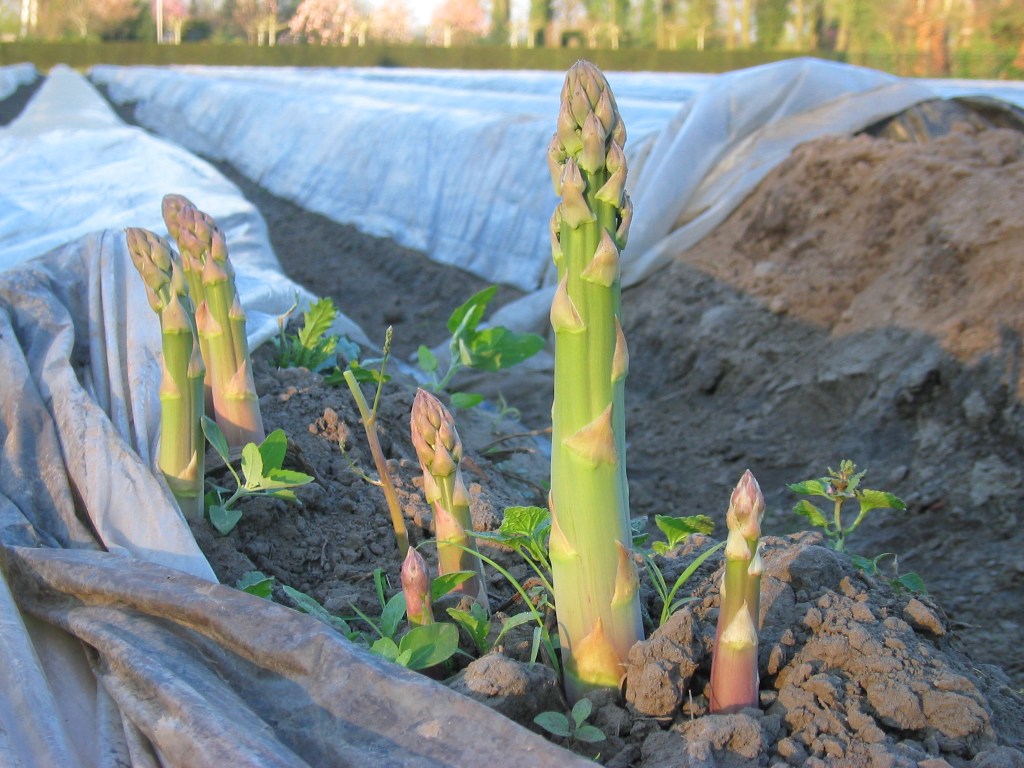
Our food supply is vital to everyone. Progress toward building a safe modern food supply is remarkable given the unpredictable impact of nature on our lives. Let’s explore the essentials of our food supply including production, the people and partnerships that allow us to thrive.
Production
Farmers operate businesses where land, water, labor and inputs are managed efficiently to maximize yield. Unlike jobs with hourly wages or salaries, farmers are paid based on how much they produce. Farmers grow at least one cash crop with many diversifying to protect against price fluctuations. Many economic assumptions influence crop selection, variety choice and farm management. Specifically, timing planting and harvest are key decisions made by all farmers. Field crops like grains, beans and potatoes, and produce like apples, nuts and onions can be stored and sold incrementally. However, other crops like strawberries, grapes, lettuce and fresh market fruits like peaches often require a contract in place by a buyer due to limited shelf life.
Harvest and processing can vary substantially for different foods. Grains, beans, potatoes and produce like processing tomatoes and almonds are mechanically harvested on large acreages once a year. Many of these crops are processed into value-added products like canned goods, non-perishables, and pasteurized foods. On the other hand, fresh market produce like avocado, leafy greens, celery, broccoli, and berries rely on labor intensive hand harvesting. Teams of skilled workers pick, grade, pack and deliver produce to market within days or weeks from harvest. Ultimately, consumer demand shapes our food supply where convenience, quality, safety and price are priorities.
People
Farmers and the skilled labor they rely on are essential to our food supply. Farmers possess unique knowledge and resources, all the while taking on multiple roles of business manager, scientist, inventor, mechanic and entrepreneur. In 2018, the average US farm size was 443 acres with just over 50% of farms earning up to $10,000 is annual sales, 30% earning up to $100,000, 15% earning up to $1,000,000 and less than 5% earning more than $1 million per year (1). All farmers rely on their own experience with little room for risk taking. The skills and expertise required to be successful at farming are essential to our food supply and should be greatly appreciated.
Skilled labor is a substantial investment necessary for our food supply to be successful now and into the future. The ongoing increase in the average farm size as a result of economic forces will require greater attention to equipment and mechanization. Like other industries, operators of farm equipment require precision and skill. For most of our fresh produce that relies on hand labor, we need to pay special attention to the politics of immigration. Not only do we in the US rely on migrant labor for many farm jobs, these same jobs require special skills that are not easily replaced by domestic workers or technology.
Partnership
Food generates a special rural-urban partnership unlike other industries in our daily lives. Farmers represent rural life and serve with a unique combination of common sense and resilience when faced with adversity. Great comfort can be held by people in urban areas coping with public health, housing and job security because our food supply is so consistent. Consumers who choose healthy living are in position to make those choices due to the abundance of our food supply. Let us express our gratitude to all who play a role in making our next meal happen. Whatever comes next we can feel confident the basics of our food supply will be covered.
Our world is living through tough times. Our food supply is essential to sustaining us through these challenges.
What food or foods are essential to you at this time?
Are you concerned about our food supply?
(1) Average farm size includes all types of farmland including crops, pasture and rangeland. See USDA Farms and Land in Farms 2018 for more.


Leave a reply to Thao Tran Cancel reply